Select your language

  • English (United Kingdom)
  • Deutsch (Deutschland)
  • News
  • Museum
    • Directions, Opening Hours
    • Volunteer with us, Donations
    • Gästebuch
    • Press Area
  • Museums History
  • 100 years of the Berlin S-Bahn
    • Exhibition
    • Found objects
Before 1924

Emerging out of the Smoke of History After the founding of the German Empire in 1871, the Berlin metropolitan region rapidly expanded into the largest industrial city in Europe. The Prussian Railway developed a dense network for urban, city-ring,...

Read more: Before 1924
1924–1945_En

Rise and Fall The wear and tear from World War I, along with the burden of reparations, necessitated extensive modernization efforts. Between 1924 and 1943, the Deutsche Reichsbahn electrified nearly the entire rail network (295 km) for urban,...

Read more: 1924–1945_En
1945-1990_En

Political Chess Piece In 1945, despite the division of Berlin into sectors, the four Allied powers kept the unified railway operations in the city under the control of the Deutsche Reichsbahn (DR). In 1949, the DR became the state railway of East...

Read more: 1945-1990_En
1990–2024_En

United and Challenged In the decade following the fall of the Berlin Wall in 1989, key sections of the S-Bahn network were modernized, and many of the routes that had been closed in 1980 in West Berlin were largely restored and reconnected with the...

Read more: 1990–2024_En
2024 and Beyond

Looking Ahead Further expansions are on the horizon, including the second North-South S-Bahn line (referred to as the S21 or City-S-Bahn), extensions to Stahnsdorf and towards Falkensee, as well as the unexpected reactivation of the Siemensbahn,...

Read more: 2024 and...
Hauptbahnhof
100 years of the Berlin S-Bahn

2024 and Beyond

Looking Ahead


Further expansions are on the horizon, including the second North-South S-Bahn line (referred to as the S21 or City-S-Bahn), extensions to Stahnsdorf and towards Falkensee, as well as the unexpected reactivation of the Siemensbahn, which will contribute to both urban and economic development. Additionally, more new trains will be needed to meet the growing demands of the network.
Read more: 2024 and Beyond

1990–2024_En

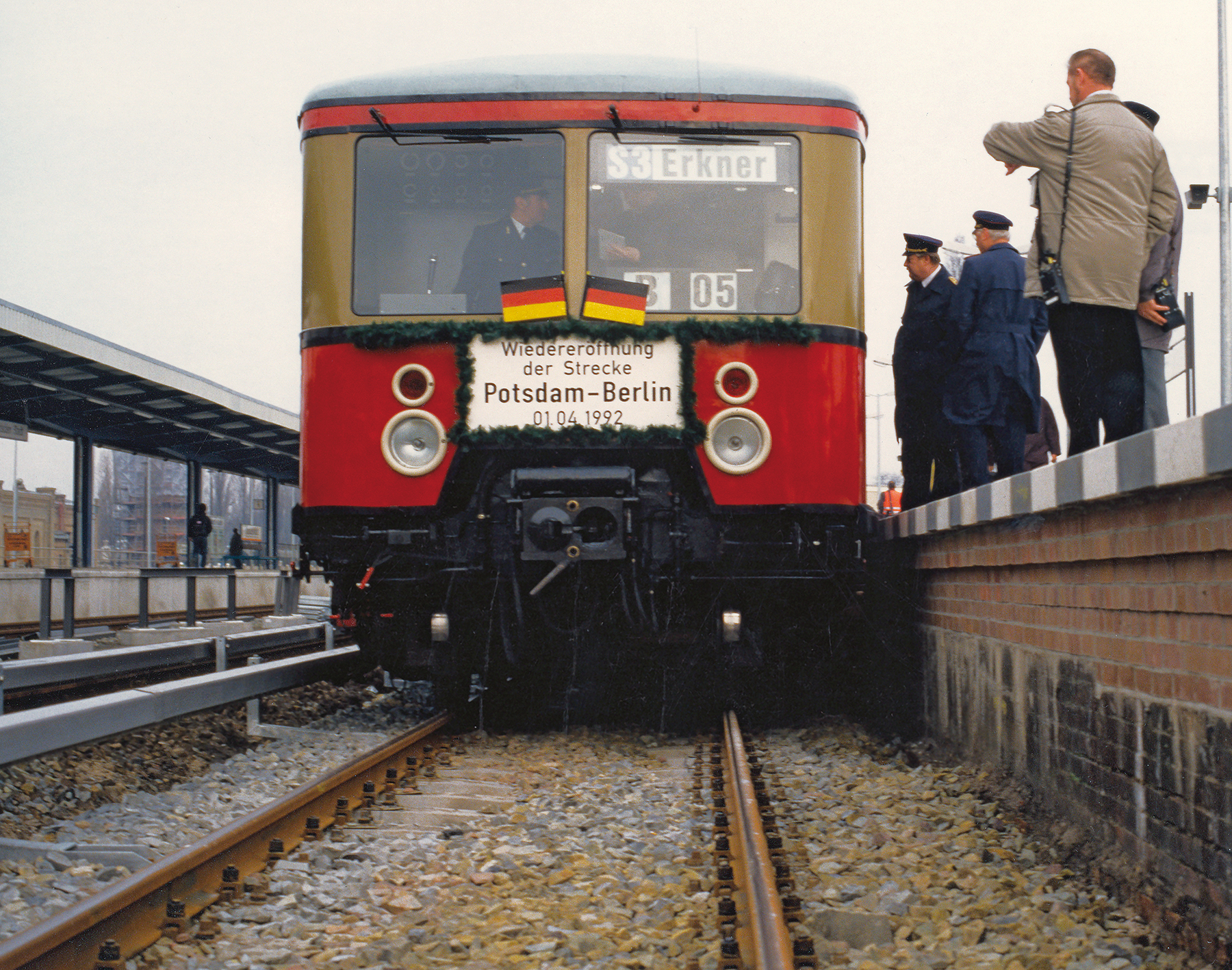
United and Challenged

In the decade following the fall of the Berlin Wall in 1989, key sections of the S-Bahn network were modernized, and many of the routes that had been closed in 1980 in West Berlin were largely restored and reconnected with the surrounding areas. New trains replaced the pre-war veterans, and Berlin once again became a thriving railway city.
Read more: 1990–2024_En

1945-1990_En

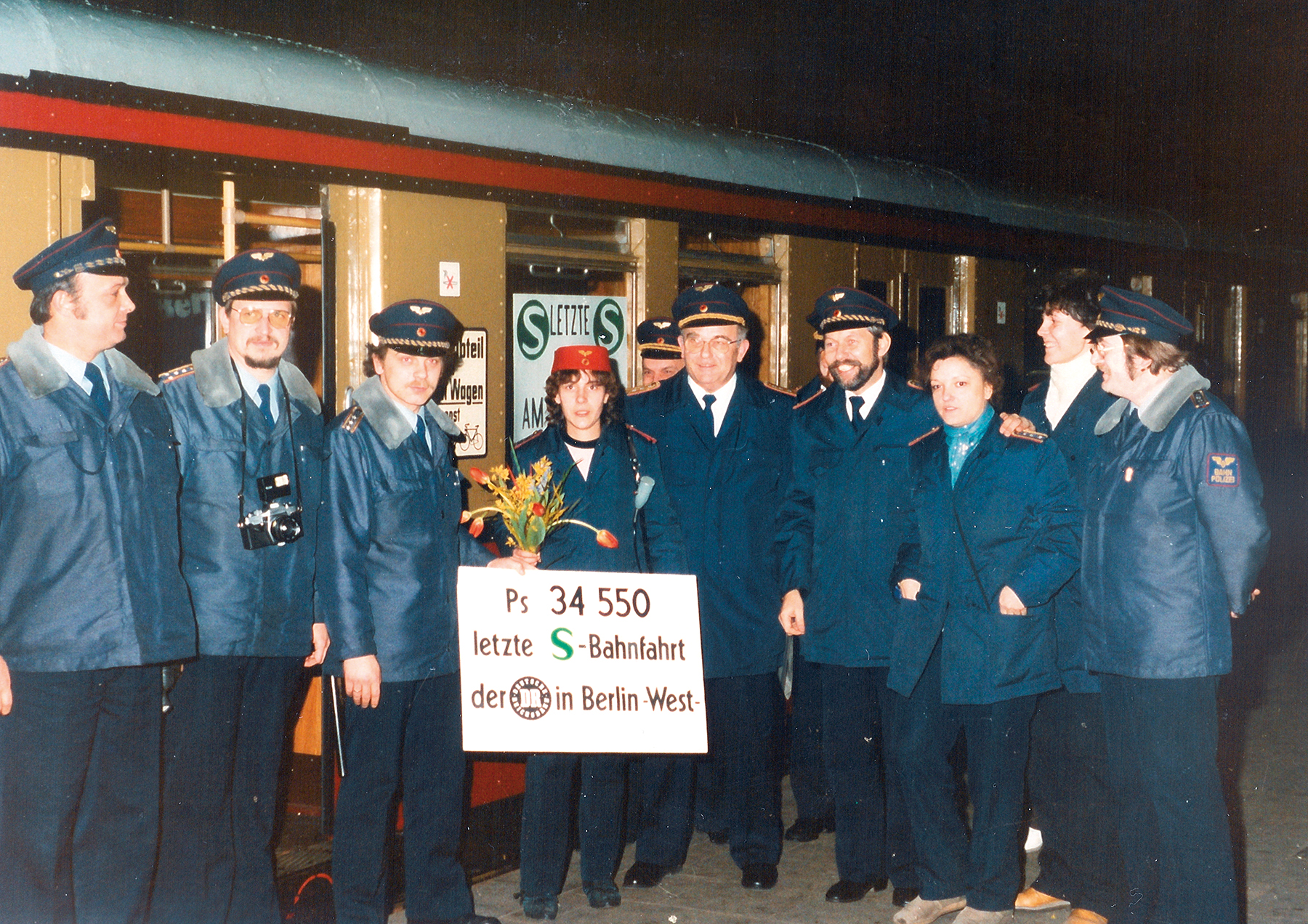
Political Chess Piece

In 1945, despite the division of Berlin into sectors, the four Allied powers kept the unified railway operations in the city under the control of the Deutsche Reichsbahn (DR). In 1949, the DR became the state railway of East Germany (GDR).
Read more: 1945-1990_En

1924–1945_En

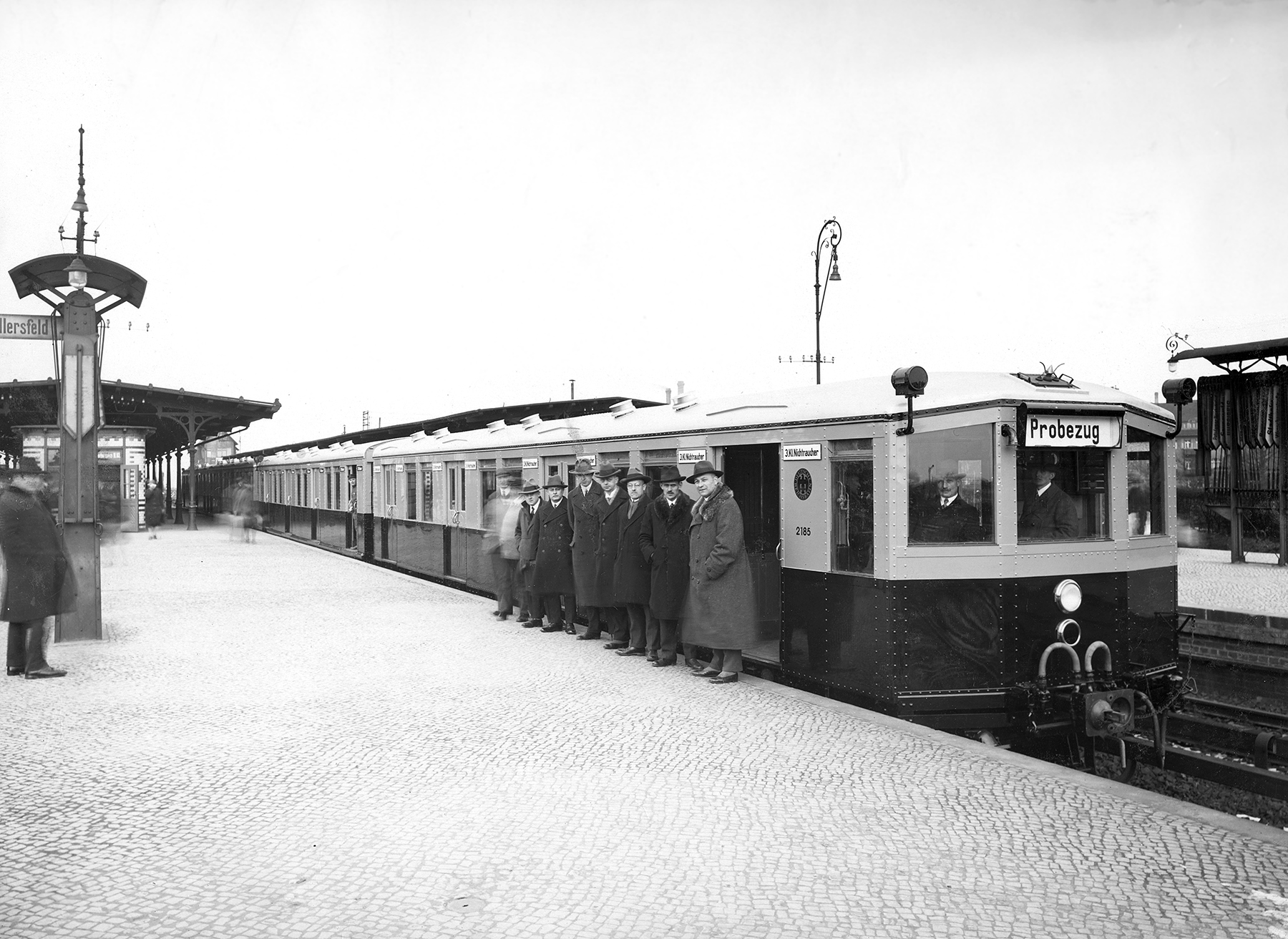
Rise and Fall

The wear and tear from World War I, along with the burden of reparations, necessitated extensive modernization efforts. Between 1924 and 1943, the Deutsche Reichsbahn electrified nearly the entire rail network (295 km) for urban, city-ring, and suburban transit, officially named the S-Bahn (Stadtbahn) in 1930. Fast-accelerating electric trains, modernized and newly constructed stations, along with distinctive power supply buildings, became hallmarks of the "Elektropolis Berlin."
Read more: 1924–1945_En

Before 1924

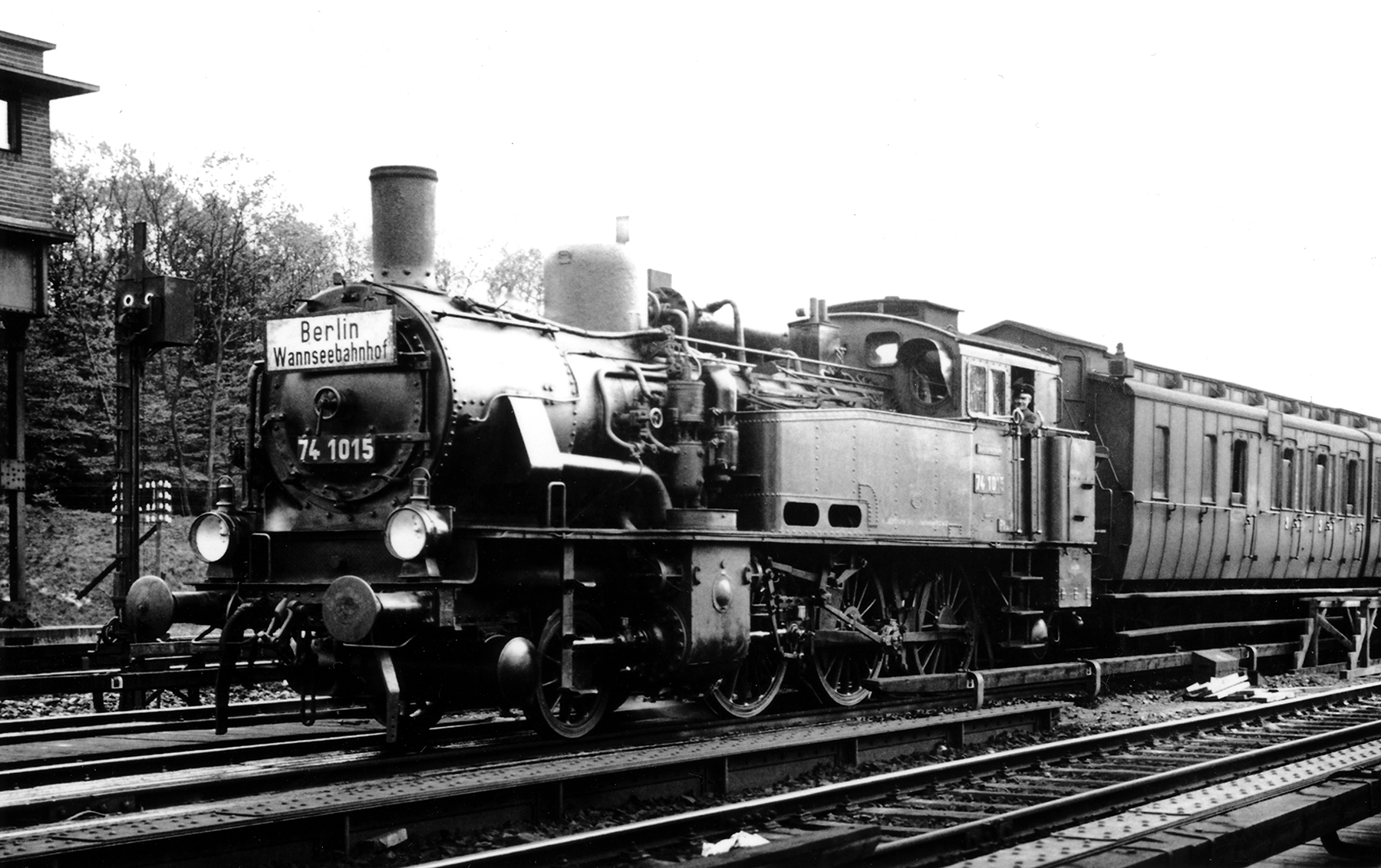
Emerging out of the Smoke of History

After the founding of the German Empire in 1871, the Berlin metropolitan region rapidly expanded into the largest industrial city in Europe. The Prussian Railway developed a dense network for urban, city-ring, and suburban transport.

Read more: Before 1924

  • Datenschutzerklärung
  • Impressum
  • Netzwerk und Partner
  • Newsletter bestellen

With the friendly support of